
Working out in chastity: what's safe, what's not
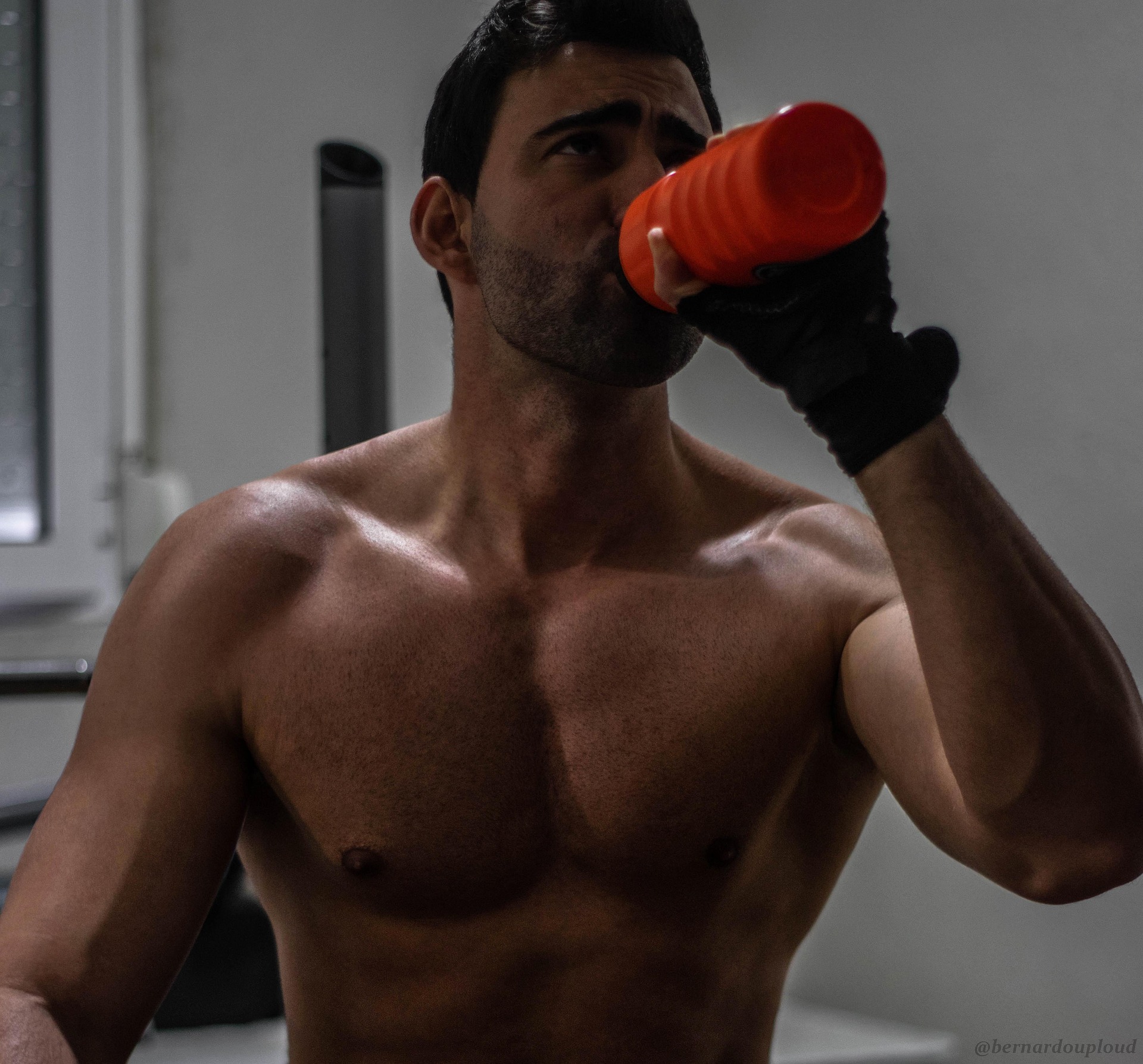
For practitioners who train seriously, the practical question is real: can you actually keep your training going while practicing chastity? The short answer is yes, and most experienced wearers train in their cages without issue. The longer answer is that fit and activity choice matter, and a few setup decisions make the difference between effortless and miserable.
What works without modification
Most common training works fine in a well-fitted cage:
Lifting (most forms). Squats, deadlifts, presses, rows, pulls, accessories — all of this works in a cage. Some wearers prefer compression underwear under their shorts during heavy days, but it's not strictly required if your cage fits well. Olympic lifts (cleans, snatches) also work for most wearers, though the bar-hip contact in cleans takes some adjustment in cage selection.
Cardio (steady-state). Running, cycling, rowing, elliptical, stairmaster. The repetitive motion of running is the most demanding cardio activity for chastity — see the section below on running specifically.
Yoga and mobility work. Some positions create different awareness of the cage but rarely create problems. The exception is positions with direct floor contact in pelvis-down orientation, which can press the cage uncomfortably.
Swimming. Works in any waterproof material (most cages). Pool chemicals don't damage steel or titanium. Some plated cheap metals degrade in chlorine — those aren't worth using anyway.
Pickup sports. Most ball sports work — basketball, tennis, golf, pickleball, soccer. Activities involving sprinting and quick direction changes (basketball, soccer) are demanding on fit but workable.
Hiking and walking. Easy. Some long-distance hikers prefer slightly looser ring sizing for full-day movement.
What needs modification or specific cages
Running. Running is the cardio activity most affected by cage choice. The repetitive impact and motion create friction at the cage-skin interface and at the ring. Solutions:
- A compression liner or jockstrap under shorts to hold the cage stable
- Lighter cage materials (silicone, lightweight plastic) for runs
- Slightly looser ring than your default if running for over an hour
- Anti-chafe balm (Body Glide or similar) on contact areas for long runs
- Build up distance gradually in a new cage before attempting long runs
Many runners maintain a "running cage" separate from their daily cage. The lock-up status stays continuous; only the specific cage changes.
Cycling (road or mountain). Saddle pressure changes everything. Most cages create discomfort in a road bike's aero position over time. Solutions:
- A wider saddle than you'd otherwise use
- Padded cycling bibs (the chamois redistributes pressure)
- Lighter cage materials
- For long rides, some cyclists temporarily unlock for safety — discuss with your keyholder
Mountain biking with frequent stand-up climbs is generally more cage-friendly than seated road riding.
Contact sports (BJJ, MMA, wrestling). These need real attention. Direct ground impact and grappling can transmit force to the cage in ways that risk both injury and equipment damage. Most practitioners either train in a flexible silicone cage that absorbs impact better than rigid materials, use additional protection (a hard groin protector over the cage), or temporarily unlock for training sessions.
Striking sports (boxing, kickboxing). Standard groin protection (a hard cup) works over most cages and is non-negotiable for sparring. For pad work and bag work, a cage alone is usually fine.
Heavy contact (rugby, football). Most cages don't survive direct impact from contact sports. A protective cup is mandatory; some practitioners temporarily unlock for game day.
Aerial sports and high-impact gymnastics. Activities with significant body-on-equipment impact (vault, rings, pole work) are best done unlocked. The risk-benefit doesn't favor wearing during these.
Fit issues that emerge during exercise
A cage that fits perfectly at rest can have problems during exercise that you wouldn't notice otherwise:
Chafing during repetitive motion. Skin under the cage moves slightly with each step or rep. If the cage interior has any rough surface, that becomes a friction point only revealed during long-duration exercise.
Ring shift during heavy effort. A ring that's marginal in size can shift during heavy compound lifts. This is felt as the ring sliding to one side, often with one testicle being slightly displaced. Sizing down (carefully) or using anti-pullout features addresses this.
Sweat accumulation. Heavy sweat changes the friction characteristics inside the cage. Moisture-wicking underwear and post-workout cleaning matter more on training days.
Heat retention. Cages trap heat, exercise generates heat. During hot-weather training, this can be uncomfortable. Lighter cages, ventilated designs, and steel (which thermally equilibrates faster than plastic) all help.
Bouncing. During running and jumping, the cage transmits some impact to the testicles. A supportive jock or compression liner absorbs this and reduces fatigue over long sessions.
The first workouts in a new cage
When you change cages — new model, new size, new material — treat the first workouts as fit tests.
- First workout: low intensity. A walk, easy spin, light lift. Notice any discomfort, chafing tendency, or fit issues.
- Second workout: moderate intensity. Increase to normal training, but keep duration shorter than usual.
- Third workout: full intensity, full duration. If the first two went fine.
- Address issues before they compound. A small chafe spot at workout one becomes a real problem at workout four if ignored.
Most fit issues reveal themselves in the first 2-3 training sessions. If something's still wrong by workout three, the fit isn't right for training, even if it works at rest.
Locker rooms and the public question
A lot of newer wearers worry more about being seen in a locker room than about the training itself. The reality:
Most people don't notice. Casual glances in locker rooms register vague shape and skin tone, not specifics. Unless someone is staring directly at your crotch — which would be socially weird in any locker room — they're unlikely to spot a cage.
Even when noticed, most people don't care. Adult locker room culture has unspoken norms against commenting on others' bodies. Many gym-goers have seen unusual things — piercings, surgical scars, devices — and learned to not react.
Strategies if you want to minimize visibility:
- Change at home, train, shower at home (no locker room needed)
- Wear underwear into the shower if your gym has private stalls
- Use a swim brief in open showers
- Time your gym visits to off-peak hours
Strategies if you don't care:
- Just change normally. Most people won't notice.
It's worth noting: many long-term chastity practitioners report that the worry about locker rooms was much bigger before they started than it ever was once they were locked. The actual public visibility of a cage under clothing is much lower than it feels from the inside.
Cage selection for training
If you train seriously and want hardware that handles it:
Stainless steel is the gold standard for serious training. It thermoregulates better than plastic, doesn't develop friction-related issues, and survives heavy use. The weight is a feature not a bug for most lifters — the cage doesn't shift around. The disadvantage is impact: a dropped barbell would damage steel less than plastic, but the steel transmits more force.
Titanium offers steel's durability with less weight. Premium price but worth it for active wearers.
Silicone is the best impact-absorbing option for combat sports and contact training. Less secure for daily wear but specifically useful for high-impact training.
Plastic (high quality) works for most training but doesn't last under heavy use. Surface gets scratched, edges develop, longevity is limited. Fine for moderate training, replace regularly.
The LockedFans Anchor Cage is designed with training in mind — surface quality that holds up to long-duration wear including sweat exposure, ring options for different activity levels, and a security system that doesn't shift during heavy effort. Many wearers in the LockedFans community report training without modification once they're in well-designed hardware.
Recovery after training
Workouts intensify the standard hygiene routine. After heavy training:
- Shower as soon as possible — sweat under the cage is a leading cause of irritation
- Rinse thoroughly inside the cage; sweat residue is harder to flush than regular daily residue
- Use a brush to clean cage interior, not just water
- Dry completely before re-dressing
- Note any developing skin issues for the next workout's planning
If you're doing a 2-a-day training day or back-to-back hard sessions, the hygiene routine becomes critical. Plenty of long-term chastity practitioners train hard daily — they just have a hygiene routine that supports it.
When training and chastity conflict
Occasionally there are training days where being caged genuinely doesn't fit. Honest examples:
- A long century ride where 5+ hours of saddle pressure isn't workable
- A grappling tournament with full-contact ground work
- A specific PR attempt where you want maximum confidence and minimum distraction
- A recovery day after injury where ordinary fit might irritate healing tissue
In these cases, most healthy keyholder relationships accommodate temporary unlocks. Discuss in advance, plan the unlock window, lock back up after. This is normal and not a failure of the dynamic — committed practitioners adjust the practice around real life.
If you're new to combining chastity with serious training, start with a few weeks of consistent daily wear before testing your normal training intensity. Your body adjusts, your fit is dialed in, and the activities that feel impossible at week one are usually routine by week four.
Our chastity for beginners guide covers the broader first-month experience, and our sizing guide covers the fit fundamentals that determine training comfort.
Frequently asked questions
Can you work out wearing a chastity cage?
Should I use a different cage for working out?
Is it safe to do heavy lifting in chastity?
Can you swim in a chastity cage?
What about locker rooms and showers at the gym?
Will working out in a cage cause injury?
Try LockedFans
The social network for the chastity community. Track your sessions, find keyholders, share your journey.
Get started — it's free